

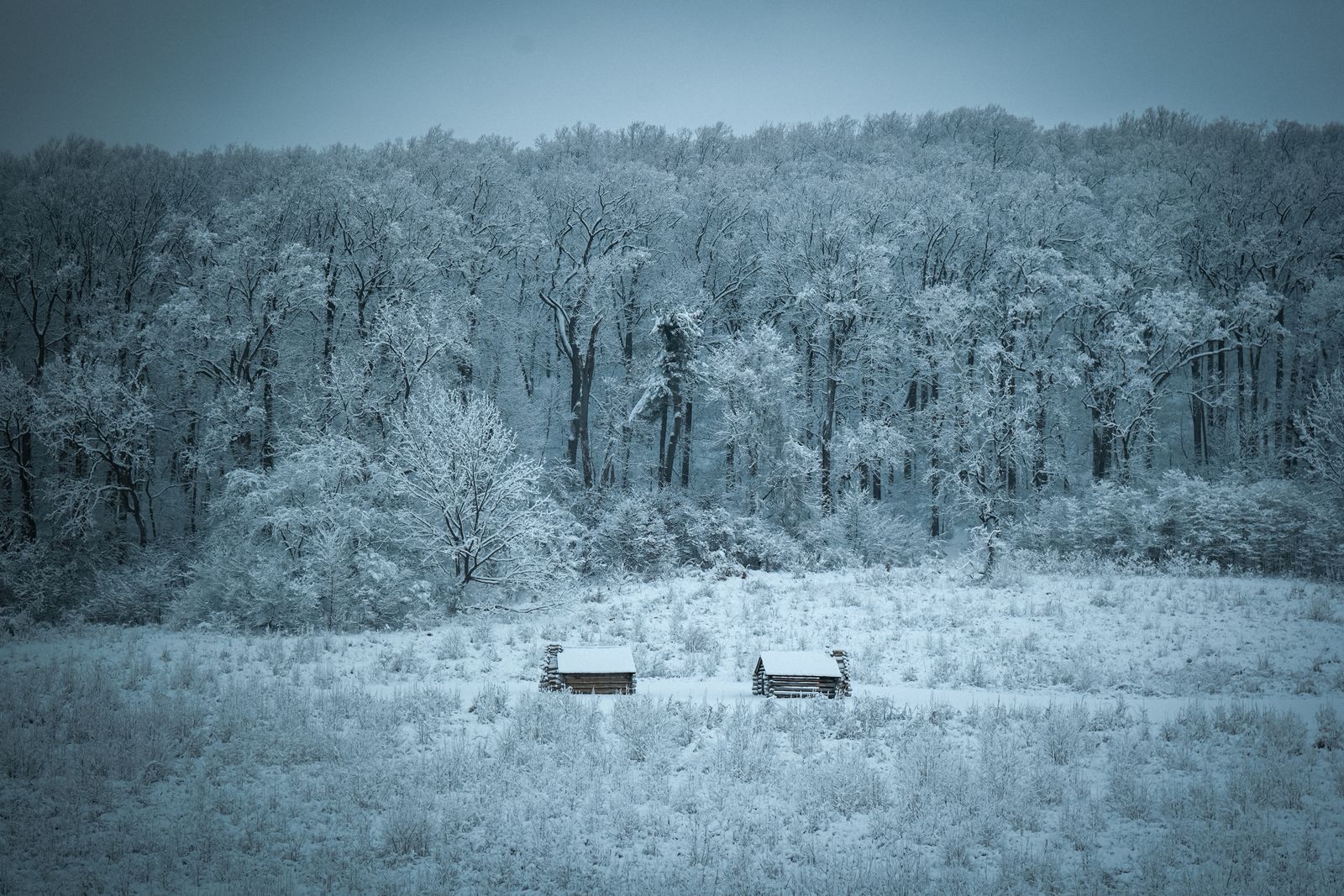
Mazama sells itself in photos. Snow-laden trees, ski-from-your-driveway access, the upper Methow Valley wrapped in mountains. Visit in February or July and it feels like a magazine spread. But year-round life in Mazama is its own thing, and it’s not what most second-home buyers expect when they first start looking. I’ve helped many families move to Mazama — and a few decide it wasn’t the right fit. Here’s the honest picture.
What Mazama actually is
Mazama is an unincorporated community at the top of the Methow Valley, about 15 minutes’ drive northwest of Winthrop. Population is roughly 300 year-round, plus a much larger contingent of second-home and vacation-rental owners who come and go with the seasons. There’s no town center in the traditional sense — the Mazama Store is the gathering point, post office, coffee bar, and unofficial community announcement board.
The rhythm of a Mazama year
Late October to early April — winter. Snow starts dusting in late October, settles in by Thanksgiving, and stays through March. The valley floor sees 60–100 inches of snowfall in a typical winter; the surrounding mountains see far more. Highway 20 (the North Cascades Highway) closes — usually mid-November to mid-April — so the only way in or out is via Twisp and Pateros to the south, then onto Highway 97. This adds roughly 90 minutes to any drive to the west side. Plan accordingly.
Winter in Mazama is genuinely beautiful — the Methow Trails system runs right through town, the lighting at sunset on the ridges is unlike anywhere else (it’s why I spend so much of October and November with a camera in hand) — but it’s also long. Daylight is short. Driveways need plowing. Pipes need watching. The community gets quieter as visitors leave.
Spring — April to June. The reopening of Highway 20 is a real event. Locals plan trips around it. Snow recedes, mud arrives. Trail crews start clearing. The valley wakes up.
Summer — July to early September. Mazama’s busy season. Vacation rentals fill, the Mazama Store has lines, the trail system is at peak use. It’s a beautiful place to be — but if your only experience is summer, you’ve only seen half the year.
Fall — September to October. The best season here, no contest. Aspen and larch turn gold in early-to-mid October, the air gets crisp, and the crowds thin. Many year-round residents will tell you this is when they remember why they live here.
What you’ll do for groceries, gas, and a doctor
This is the question most relocating buyers underestimate.
- Daily groceries and coffee: Mazama Store.
- Real grocery run: Winthrop (15 min) for The Mercantile, or Twisp (30 min) for Hank’s Harvest Foods.
- Costco / Trader Joe’s / chain grocery: Wenatchee (~2 hours), Omak (~75 min), or you batch trips.
- Gas: Mazama Store has gas, often pricier than Winthrop or Twisp. Most locals fill up when in town for other reasons.
- Routine medical: Methow Valley Family Practice in Winthrop or Confluence Health in Twisp.
- Emergency or hospital care: Three Rivers Hospital in Brewster (~75 min) or Confluence in Wenatchee (~2 hours). There’s no hospital in the Methow Valley.
- Dentist, eye doctor, specialty care: Plan a Wenatchee or Omak trip.
If your default mental model is “I’ll just run out to the store,” recalibrate. Most Mazama residents make a weekly trip into Winthrop and a monthly trip to Wenatchee. Lists matter.
What you’ll get that you can’t get anywhere else
- Trail access that’s genuinely from your door. Many Mazama properties connect directly to the Methow Trails system. Skiing or running to your mailbox isn’t a marketing line — it’s a Tuesday morning.
- A community that recognizes you. When you’ve lived in Mazama for six months, the postmaster knows your name. So does the store staff. So does your neighbor’s dog.
- Quiet that’s hard to describe. A still January evening here is one of the few experiences in the lower 48 that feels truly remote. People move here for this and then realize they didn’t know what they were missing.
- Climbing, skiing, fishing, hiking — all from the same property. Goat Wall is fifteen minutes. Washington Pass is thirty (when the highway is open). The upper Methow River is across the road from many lots.
Who thrives here, who doesn’t
Thrives: People who have a strong inner rhythm, who genuinely enjoy their own company and a small circle of close neighbors, who can work or retire on Mazama’s terms (not the city’s). Outdoor-focused families with kids old enough to handle the daily school bus to Winthrop. Remote workers who’ve actually planned their internet and power setup.
Doesn’t thrive: People who want frequent restaurant nights out. People who need same-day medical specialists. Anyone who hasn’t fully reckoned with what mid-January in a snowy rural community feels like. People who assume “rural” is the same as “country house close to town.”
What I’d tell a first-time Mazama buyer
- Spend a January week here before you buy. Not a December ski weekend — a quiet January Tuesday-to-Tuesday. Cook your own dinners. Drive to Winthrop for groceries in the dark. Then decide.
- Look honestly at your work and family situation. Mazama works for some life stages and not others.
- Choose the property for year-round livability, not summer ideals. South-facing slopes get more winter sun. Roads matter. Driveway length matters. So does the distance to the nearest plowed road.
- Get to know one or two neighbors before you close. Long-time Mazama residents know things about a specific parcel that no inspector will catch.
The people who love Mazama love it deeply. The people who buy here and leave usually leave because they didn’t realize what year-round meant.
If you’re thinking about Mazama specifically, come walk it with me. I’ll show you the corners of the place that the listings don’t.