

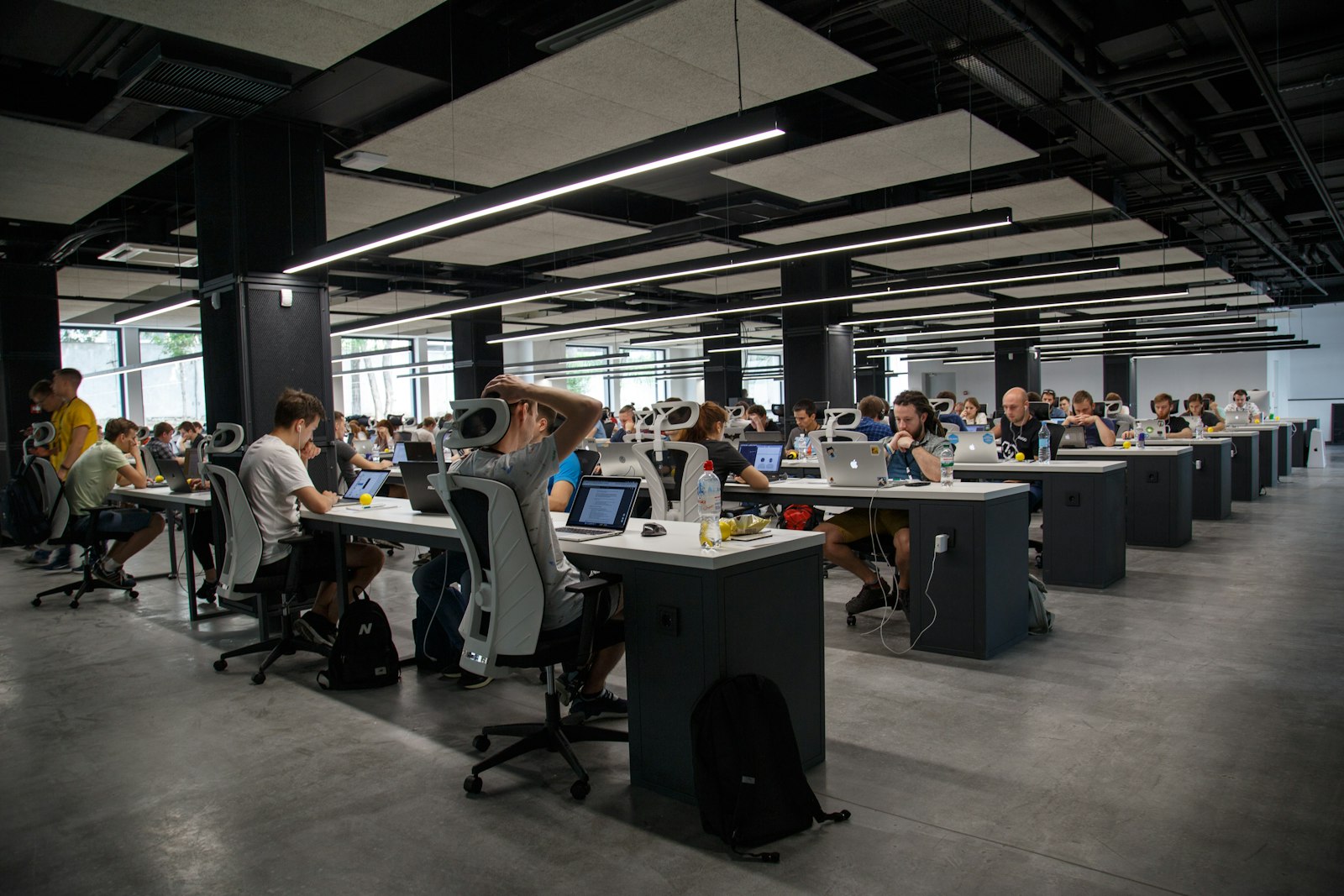
A growing share of the buyers I work with are remote workers: software engineers, designers, lawyers, consultants moving here from Seattle or the Bay Area. The pitch is obvious: Nordic ski trails out the back door, half the cost of urban living, a quieter pace. The catch is real: the internet and power story in the Methow Valley is not what the coverage maps suggest. Here is what works.
Internet: the four real options
1. Fiber (LocalTel, Methow Net)
Available in parts of Winthrop and Twisp. Not the whole towns; service stops at specific blocks. If you find fiber service at the address, you’ve struck gold: 100 to 500 Mbps symmetrical, reliable, business-grade. Prices are reasonable ($60 to $100 per month). The catch: the build-out hasn’t reached most of the valley.
Ask before you buy: Pull the address up on LocalTel and Methow Net to confirm fiber serviceability at that specific street number. Do not assume. Neighboring blocks often differ.
2. Starlink (residential)
The dominant choice for upper-valley and remote properties. My clients in Mazama, on Goat Creek, and out on Patterson Lake almost all run Starlink. Real-world speeds: 50 to 250 Mbps down, latency around 30 to 50 ms. Stable enough for video calls and most cloud apps. Costs about $120 per month plus the dish ($600 one-time).
What fails: Heavy snow on the dish (it is self-heated but not perfect), and occasional micro-outages of 10 to 30 seconds. For most knowledge work it is fine. For trading desks or anything latency-critical, plan for a hot-failover backup.
3. Fixed wireless (Vector Wireless, others)
Line-of-sight microwave to towers. Works in pockets, typically clear-of-tree-line locations on the valley floor. Real speeds 25 to 100 Mbps. Less reliable than fiber, more reliable than older satellite. Cheaper than Starlink in some packages.
4. Cellular (T-Mobile Home Internet, Verizon hotspots)
Some buyers run cellular as backup or primary, depending on cell coverage at the address. Verizon has the strongest signal in Winthrop and along Hwy 20. T-Mobile coverage is thinner. Coverage maps lie. Test on-site with your own phone before committing.
My honest take
For most remote workers buying in the valley today: plan on Starlink as primary, with a cellular hotspot as backup. If you happen to land in a fiber zone, great. But assume Starlink and budget accordingly. Test the property’s view of the sky before closing; Starlink needs a clear south/southwest sightline.
Power: it goes out, and you need a plan
The Methow Valley is served by Okanogan County Electric Cooperative. Power is generally reliable, but outages happen, usually wind, occasionally fire-related, sometimes ice. A typical year sees 2 to 4 outages of an hour or more. A bad winter sees longer ones.
What my clients have done:
- Backup generator: propane or natural gas, 14 to 22 kW for a full house, about $5 to $10k installed. Best option for serious remote workers.
- Battery backup (Tesla Powerwall, EcoFlow, similar): covers shorter outages, keeps networking gear running. Pairs well with solar if you have it.
- UPS at the desk: bare minimum for graceful shutdown. Most people layer this on top of the above.
Ask the seller about outage history. They will often have a real story.
Office setup specifics
A few practical things people don’t think about until they are here:
- Heat: Most older valley homes have a single wood stove or a forced-air furnace with one zone. An office at the far end of the house can be 10 degrees colder than the kitchen in January. Plan for a small electric heater or, better, a mini-split.
- Noise: It is quiet here. That is usually a plus, but it also means the dishwasher and HVAC fan are now the loudest things in your space. Worth thinking about for video calls.
- Light: Winter days are short. North-facing offices are dim by 3pm. South-facing offices catch direct sun and overheat. The pros set up east-facing for morning light, with good window coverings. (Mine faces east, after years of testing.)
- Mailing and shipping: UPS and FedEx serve the valley but with longer lead times. Many full-time residents rent a PO Box in Winthrop or Twisp for reliability. Amazon Prime works but delivery can take 3 to 5 days.
A note on tax residency
This isn’t legal or tax advice (talk to your CPA), but it is a real consideration: if you’re moving from California, Oregon, or another state with income tax, you’ll want to establish Washington residency cleanly. WA has no state income tax. The savings can be substantial, but only if you actually live here most of the year (most states use a 183-day test). Worth planning for in your move calendar.
Questions I’d ask before closing
If you are buying with remote work in mind, get these answers in writing before contingencies expire:
- What internet does the seller use right now? Speed test results?
- Has the seller had outages in the last year? How long?
- Is the property in a fiber serviceable area (confirm with the provider directly)?
- Is there a clear sky view for Starlink if needed?
- Is the panel sized for a future generator or battery backup install?
- What’s the cell signal in the office space you’d plan to use? (Test with your phone, on the actual spot.)
The Methow works for remote work. I have many clients doing it full-time and thriving. But it works because they planned for it. The ones who assumed “rural Washington has internet now” sometimes spent the first six months scrambling.
If you are considering the move and want to walk through your specific work needs, reach out. I’ll connect you with current remote-worker clients who can answer questions directly.