

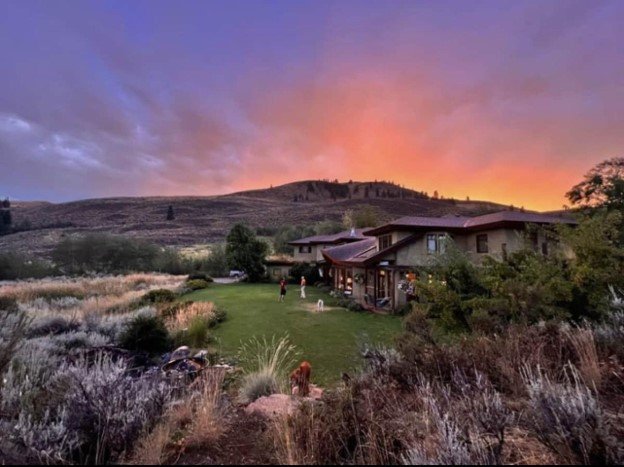
Buying a home in the Methow Valley is a different experience than buying in Seattle, the Bay Area, or any city. The houses look like houses, the listings look like listings — but the questions that matter are different. After 37+ years living in the Methow Valley, here are the seven things I tell every first-time Methow buyer.
1. Water rights are a real thing, and they vary by parcel
In Washington, water rights are separate from land ownership. A property might have a senior well right, a permit-exempt domestic well, or no water right at all. The differences matter — especially if you ever want to add a guest house, irrigate a pasture, or sell the property. I’ve seen otherwise-great parcels get harder to sell because the water situation wasn’t clean. Always confirm what’s on file with the Washington Department of Ecology before you close.
2. Septic and well, not city utilities
Most homes in the valley are on private wells and septic systems. That’s normal here, but it changes your inspection checklist. Ask for:
- Well log and recent water quality test
- Septic inspection and pump records (typical pumping cadence is every 3–5 years)
- Drain field location and condition
Both systems work for decades if maintained. Both can be expensive if neglected.
3. Many roads are private — that means road associations
A lot of valley properties sit on private roads maintained by a Road Association made up of the property owners. There are usually annual dues, sometimes a Board, and rules about plowing, gravel, and improvements. Get the latest association meeting minutes and budget before you commit.
4. Fire mitigation isn’t optional
We’re in fire country. Insurance companies are increasingly strict about defensible space — the area immediately around the house cleared of fuel. Before buying, look at:
- Has the seller maintained defensible space (Zone 1: 0–5 ft, Zone 2: 5–30 ft, Zone 3: 30–100 ft)?
- Is the property in a high-risk fire zone per Okanogan County mapping?
- Has the seller’s insurance been renewed (or are they about to lose coverage)?
It’s worth getting a separate quote from a property insurer before you waive the inspection contingency. In recent years, I’ve watched buyers close on a house only to discover their insurance options were limited.
5. Broadband and cell service are spotty — pockets of fiber, lots of Starlink
If you’re moving here to work remotely, don’t assume the property has the internet you need. Some pockets in Winthrop and Twisp have fiber (LocalTel and Methow Net). Beyond that, Starlink is pretty much everywhere if you have a clear view of the sky — it’s what most upper-valley properties rely on, and what makes remote work possible in the more remote corners of the valley. Cell service varies block by block — Verizon and T-Mobile both have dead zones.
The fix: ask the seller exactly what they use, get a written speed test, and call the providers to confirm your specific address is serviceable. Don’t trust the coverage maps alone.
6. Snow plowing is a buyer’s responsibility — and a real cost
The county plows main roads. Private roads are plowed by the Road Association or by you. Driveways are something you get to handle — and it quickly becomes part of the rhythm of mountain living. Expect to spend $1,000–$4,000 a winter on snow removal depending on driveway length and snowfall, or to invest in your own plow truck or tractor. Most owners get on a plow route for the whole season before the winter storms hit — hiring per-storm rarely works here, because once snow starts flying, every plow driver is fully booked on established routes and it can be days before anyone can get to a one-off.
Ask the seller what they spend. It’s a recurring line item, not a one-time cost.
7. Property tax and homeowner’s insurance aren’t what you’re used to
Okanogan County’s property tax rates are moderate, but assessments can shift sharply year over year. Insurance rates have climbed across the western U.S. due to wildfire risk — a Methow Valley policy can be 2–3× what a comparable urban home costs to insure. Get a binding quote before you make a final decision, not after.
None of this should scare you off. People move here and stay for life — I did. But the smartest buyers I’ve worked with come in asking these questions early, get clean answers, and close knowing exactly what they own. The ones who don’t ask end up surprised later.
If you’re starting the process and want to walk through any of this in detail, reach out. I’d much rather answer five questions now than have you run into surprises later. I’ll always do my best to help you think through what comes up — but once you own the home, it’s the owner’s responsibility to fix the problem.