

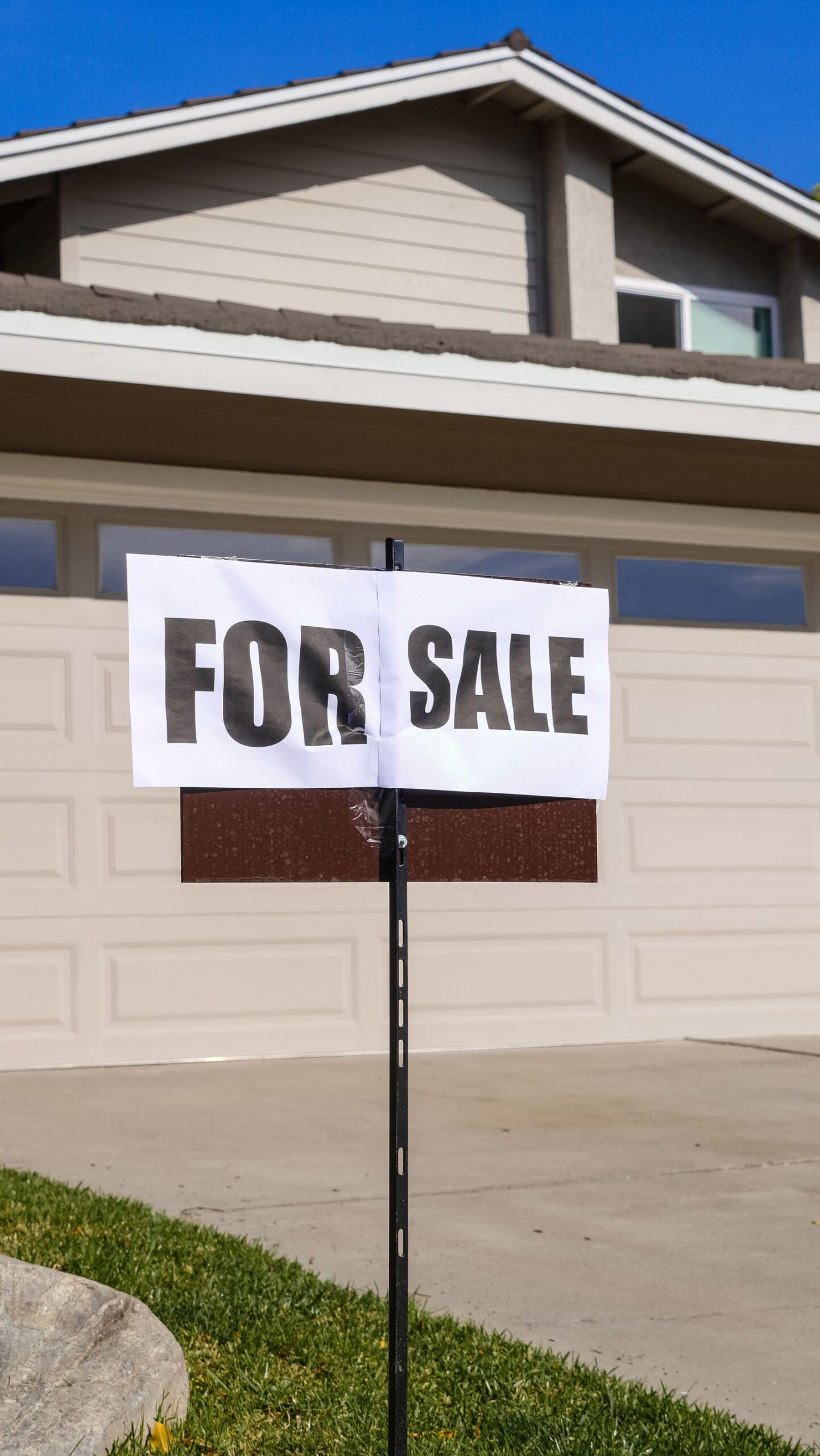
The two biggest mistakes I see sellers make when listing in the fall are opposite errors driven by the same misunderstanding. One is listing at a summer-comp price and holding firm through winter. The other is listing at a panic discount trying to attract attention. Both come from not understanding how the fall Methow market actually behaves.
The sellers who move properties in September and October are the ones who price aggressively at listing and stay disciplined about the number. The sellers who price optimistically and plan to negotiate down are the ones whose properties end up sitting through winter, getting relisted in April at a lower price than they could have accepted in October.
The pricing framework that works for Methow fall listings follows.
The math of the fall buyer pool
The mistake sellers make in September is comparing their situation to July. In July, active buyer count in a typical Methow price band is 3 to 5x higher than in October. That means:
- July: Multiple buyers per property, competition drives price up, sellers can hold firm.
- October: Fewer buyers per property, less competition, buyers have real leverage.
- December: Buyer pool at annual low, only truly motivated buyers active.
- March to April: Buyer pool recovering; new inventory starts arriving; existing stale inventory looks stale.
If you are listing in September, you are targeting the October-November buyer pool. That pool is smaller than the summer pool but more serious than the summer pool. They are either primary buyers who need to close before winter (real urgency) or second-home buyers who have decided this is the year (see the second-home decision window post).
The right price for a fall listing is the price that a fall buyer will actually pay. Not the price a July buyer would have paid. Not the price you hoped to get at the peak of the market. The price at which a specific, real, motivated buyer this month writes an offer.
Why “list high and negotiate down” doesn’t work in October
The stock advice for pricing a home is: list 5 to 10% above what you expect to get, leave room for negotiation, let buyers feel like they won something. That advice works in a hot market with lots of buyer traffic. It fails in a cool market with limited traffic.
Why it fails specifically in the Methow fall:
Fewer showings. A property priced 8% above realistic value in October gets maybe 30 to 40% of the showings a right-priced property gets. Buyers pre-filter by price on Zillow. If your price is out of range for the buyer set that’s actually shopping, they never see it.
Longer time on market. Days-on-market compounds. Fall buyers, unlike summer buyers, actually track this. A property at 45 days on market is asking for a discount; a property at 90 days is asking for a bigger discount.
Public price reductions signal weakness. When you drop from $850K to $820K to $795K, every buyer sees it and interprets it as “seller is willing to keep dropping.” Nobody rushes to write an offer during a price-cut sequence. They wait for the next cut.
Fall carrying costs eat into your net. Every month a property sits, you are paying mortgage, taxes, insurance, utilities, plow contracts, snow removal. Roughly $2,500 to $5,000/month on a mid-tier Methow home. A $30,000 higher list that takes 4 months longer to sell costs you $10 to 20K in carrying + $30K opportunity cost, which means you netted less than a right-priced faster sale would have delivered.
The relist-in-April problem. If your fall listing goes into “sitting” territory by December, the practical options are: keep cutting price through winter (visible weakness), pull the listing (loses momentum, buyers wonder why), or hold through winter (paying carrying costs, guessing the spring market). None of these outperform “right-price in September, close in October, done.”
What “aggressive pricing” actually means
Aggressive doesn’t mean lowball. It means: the price at which your property is competitive with the comparable set that your target buyer is comparing you to.
To find that number:
Step 1: Identify the real comps. Not the wishful comps. In your community (Winthrop, Twisp, Mazama, etc.), what has sold in the last 90 days at similar size, condition, and lot type? Not what’s listed; what’s SOLD. Adjust for meaningful differences (waterfront, acreage, views, updates).
Step 2: Consider what’s currently competing. Look at active listings in your community and price range. If there are 8 comparable homes on the market at $650 to $720K, you cannot list at $735K and expect to be the one the fall buyers pick.
Step 3: Price 2 to 4% below the strongest comp. Not below your comp. Below the strongest currently active comp. This makes your property “the best-value option in the set,” which is exactly what fall buyers are looking for.
Step 4: Adjust for your specific timeline pressure. If you MUST sell before winter (job relocation, health, family), price 5 to 7% below the strongest comp. If you have flexibility, 2 to 3% below is fine. Do not price at or above the strongest comp. You will not sell in fall at that price.
The pricing conversation sellers push back on, and why the math wins
The most common seller objection to aggressive fall pricing sounds like this: “My neighbor sold in June for $750K. Ours is nicer. We should list at $795K.”
That reasoning is emotionally satisfying and mathematically wrong. Here is why.
June and October are two different markets for the same property, because the buyer-to-seller ratio is different. In peak summer, a well-priced comparable property in a Methow submarket is being shopped by many more active buyers than are shopping the same submarket in October. When buyer count exceeds seller count meaningfully, competition drives prices up. That’s why your neighbor got their number in June. When the ratio flips in the fall (fewer buyers, roughly the same or slightly reduced number of active listings), competition drives prices DOWN. Not because the property is worth less. Because there is no longer a pool of competing buyers willing to bid your listing up.
Pricing at the summer-comp number in the fall means one of two outcomes: your property sits until spring (in which case you eventually reduce, having spent months on carrying costs), or you pull the listing and re-list next April at a lower price than you could have accepted this October. Both of those outcomes end at the same place as a right-priced fall listing, minus the wasted months and the compounded carrying costs.
The sellers who accept this and price to the actual fall market usually do better in absolute dollars, and they do dramatically better in stress and predictability.
Tactics that work
Aggressive pricing works best combined with a few specific tactics:
Photograph in fall light before leaves drop. October’s first two weeks in most of the Methow. Warm, golden-hour photos with fall color on the trees present better than summer or winter photos. Do this even if you listed in September; refresh photos when the color peaks.
Update the listing description in October. “Now priced to sell before winter” or “seller motivated for October close” signals intent without desperation. Refresh the language monthly.
Aggressive-response inspection posture. Have a pre-listing inspection done. Fix the small stuff. When a fall buyer’s inspection surfaces items, respond with cash credits or repairs. Don’t fight over $500 items.
Flexibility on close date. Fall buyers often need weird close dates (before winter, after their existing home sells, before their kids start school somewhere else). Being flexible is a real deal closer.
Include personal property. ATVs, snowblower, extra tires, garden equipment, appliances. Fall buyers moving from out of area appreciate not having to source these before winter. Costs you almost nothing; makes the deal.
Price-drop discipline if needed. If you didn’t get an offer in 30 days, cut 3 to 5%. In another 30 days, cut another 3 to 5%. Don’t cut by $5,000. Cut by 3 to 5% or don’t cut at all. Small cuts signal weakness; meaningful cuts signal serious repricing.
When fall pricing works differently
Two specific property types behave differently in the fall:
Waterfront and view properties. These are less seasonal than typical Methow homes. The buyer pool is smaller year-round but composed of more serious buyers. Fall pricing on waterfront can be closer to summer pricing than for standard homes, 1 to 3% below strongest comp rather than 3 to 5%.
Land and undeveloped parcels. Fall is the BEST season to sell land in the Methow. Leaf-off visibility, dry ground for walking, clear sight lines to features. Serious land buyers prefer fall showings. Pricing can be very close to summer pricing IF the property is presented well (walkable trails cut, boundaries marked, key features flagged).
Luxury/high-end ($1.5M+). Different market entirely. Small buyer pool year-round. Fall is fine, spring is fine, price-to-comp still matters most.
The “test the market” trap
Some sellers propose: “Let’s list at my price, and if nothing happens in 30 days, we’ll cut.” This sounds reasonable and is a bad idea. Why:
- The first 21 days on market drive 50 to 70% of showings. If your price scares off buyers in that window, you don’t get a second chance at those buyers when you cut later.
- Public price cuts train buyers to wait for the next cut. You lose negotiating leverage.
- Time on market compounds into buyer perception. 60-day listings feel stale, and buyers assume something is wrong.
The right pricing is the right pricing at listing. Not after 30 days. Not after 60 days. When you launch.
The framework for deciding
If you are deciding whether to list in the fall and at what price, three questions:
1. How much do you need to net? Not what you hope for; the number that has to work. If aggressive fall pricing gets you within 2 to 3% of that number, list now. If it doesn’t, consider waiting until spring and marketing more aggressively.
2. What’s your timeline flexibility? If you can sit for six months while the property doesn’t sell, you have optionality. If you need out by winter (job, health, financial), you don’t. Price for a fall close.
3. What’s the alternative? Every month a property sits vacant costs money. Every month it sits with you living there constrains your life. What does “keep it another year” actually mean for you?
For most sellers who are ready to sell, aggressive fall pricing outperforms optimistic pricing followed by winter carrying costs and a spring relist. The math is against the optimist most years, and it’s especially against them right now.
If you are considering listing a Methow Valley home in the next 30 to 60 days and want a candid conversation about what your property will actually sell for in the fall market, reach out. I’d rather price it right the first time than have a “we should have priced lower” conversation in February. Both sides of that conversation end up in the same place; only one gets there without losing $40K in carrying costs first.